


AI Breakthrough Uncovers 118 New Exoplanets in NASA TESS Data
Astronomers have achieved a remarkable milestone in the search for worlds beyond our solar system. A team from the University of Warwick has harnessed the power of artificial intelligence to validate 118 new exoplanets hidden within NASA’s vast archives, including 31 entirely new discoveries never before identified by scientists. The breakthrough, announced in early 2026, also flagged more than 2,000 high-quality planet candidates, nearly 1,000 of which are fresh additions to the growing catalog of potential exoplanets.
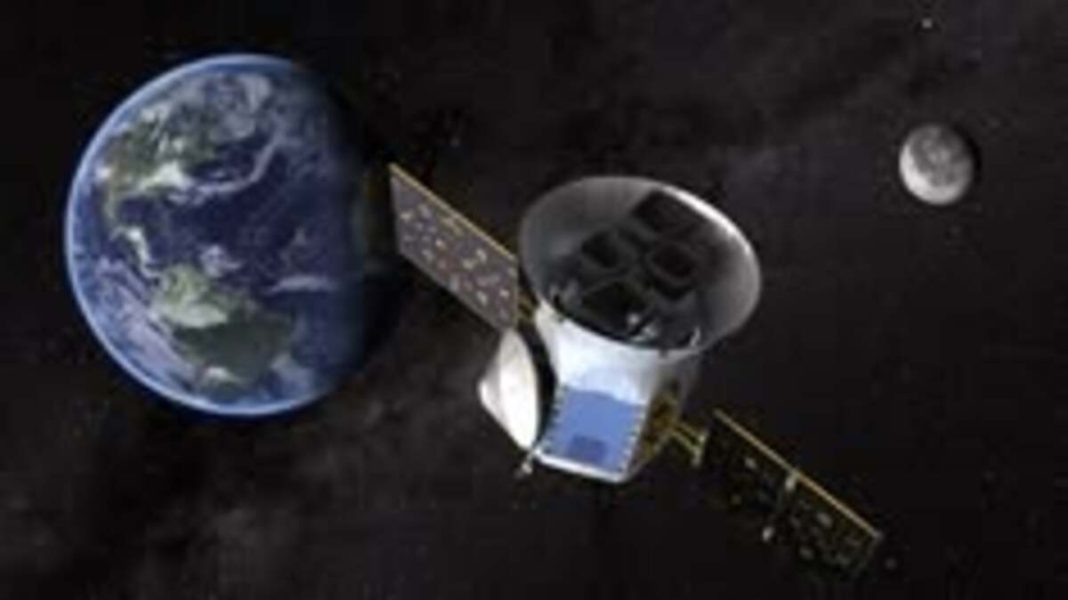
The discovery stems from a sophisticated new machine learning pipeline called RAVEN — short for Ranking and Validation of ExoPlaNets. Researchers applied this advanced AI system to data collected by NASA’s Transiting Exoplanet Survey Satellite (TESS) during its first four years of operation. TESS scans the sky for tiny dips in starlight caused when planets pass in front of their host stars, but traditional analysis methods often miss subtle signals buried in noisy data or struggle with the sheer volume of information from over 2.2 million stars.
RAVEN combines automated detection, machine learning classification, and rigorous statistical validation into a single streamlined process. By training on known planetary signals and common false positives — such as eclipsing binaries or instrumental artifacts — the system excels at distinguishing genuine exoplanets from imposters. This approach proved particularly effective for short-period planets orbiting close to their stars, completing orbits in less than 16 days, offering new insights into the prevalence of these compact worlds.
Lead author Dr. Marina Lafarga Magro, a postdoctoral researcher at the University of Warwick, highlighted the scale of the achievement. “Using our newly developed RAVEN pipeline, we were able to validate 118 new planets, and over 2,000 high-quality planet candidates, nearly 1,000 of them entirely new,” she explained. Among the confirmed planets are 31 brand-new worlds, significantly expanding our understanding of planetary diversity and formation in nearby stellar systems.
This success builds on previous AI efforts in exoplanet hunting, such as NASA’s ExoMiner, but RAVEN represents a major leap forward in efficiency and accuracy. The tool not only confirms existing candidates but also uncovers signals that human analysts and earlier algorithms overlooked, effectively turning TESS into an even more powerful planet-hunting machine.
The implications extend far beyond simply adding numbers to the exoplanet count. These discoveries help astronomers refine models of planetary system architecture, particularly for close-in worlds that challenge traditional formation theories. Some of the new finds may include rare or extreme types of planets, offering valuable targets for future follow-up observations with powerful telescopes like the James Webb Space Telescope.
As machine learning continues to evolve, tools like RAVEN promise to accelerate the pace of discovery dramatically. With TESS still actively collecting data and upcoming missions such as PLATO on the horizon, AI-driven analysis could soon unlock tens of thousands more candidates, bringing scientists closer to answering fundamental questions about the frequency of Earth-like planets and the potential for life elsewhere in the universe.
This latest breakthrough underscores how artificial intelligence is transforming astronomy from a data-limited field into one of unprecedented opportunity. What was once a painstaking manual process is now scaling rapidly, revealing a richer and more diverse cosmos than previously imagined. The 118 newly validated exoplanets represent not just a statistical triumph but a gateway to deeper exploration of our galactic neighborhood.